Filming in Tunisia: A Production Guide for Foreign Crews

By Mohamed Sahbi, Expert SEO technique et développement React, Full Stack Engineer

Category: Production Techniques

Deserts, medinas, Roman ruins and the Mediterranean, one hour from Europe. What foreign productions need to know before filming in Tunisia: permits, drones, equipment, visas, seasons and local partners.

Tunisia has played Tatooine, ancient Palestine and the Egyptian desert. It has hosted George Lucas, Franco Zeffirelli, Roman Polanski and Anthony Minghella. And it still surprises crews who arrive for the first time: Saharan dunes, salt lakes, troglodyte homes, walled medinas, Roman amphitheatres and Mediterranean coastline, all within a day's drive, in the same time zone as Paris for half the year. What surprises them less pleasantly is the paperwork. Permits go through a ministry, drones need clearance from several authorities, and customs can hold a camera package that arrives without the right documents. This guide covers what a foreign production needs to know before filming in Tunisia: where to shoot, which permits to plan for, how to bring equipment in, practical rules on visas and money, the best seasons, what to expect on incentives, and what a local production partner actually does. Why productions come to Tunisia A century of shooting history Tunisia's film history runs deep. Producer Tarak Ben Ammar built the country's first film studio in Monastir, which went on to host productions such as Polanski's Pirates and Zeffirelli's Jesus of Nazareth, according to Wikipedia's overview of Tunisian cinema. The Carthage Film Festival, founded in 1966, is the oldest film festival on the African continent. The best-known foreign shoot remains Star Wars. For the 1977 film, the Lars homestead was shot at the troglodyte Hotel Sidi Driss in Matmata and on the Chott el Djerid salt flat near Nefta, the escape pod landing in the dunes near Nefta, the Mos Eisley exteriors on Djerba, and the canyon scenes at Sidi Bouhlel. Crews returned in 1998 for the prequels, using Ong Jmal near Tozeur, Ksar Ouled Soltane and Ksar Hadada, as documented on Wikipedia's Tatooine page. The English Patient and Raiders of the Lost Ark also found their deserts here. Practical advantages Variety in a small territory. Desert, oases, mountains, medinas, Roman sites and beaches sit within a few hours of each other. Proximity to Europe. Tunis is a short flight from most European capitals. Tunisia stays on UTC+1 all year with no daylight saving time, so there is no time difference with Paris in winter and one hour in summer, according to Vivre en Tunisie. Languages. Arabic is the official language, French is widely used in business and administration, and English is common in the production world. Experienced local crews who have worked on international films, broadcast news and commercials. Where to shoot: the main location regions Tunis and its coast. The medina of Tunis, the ruins of Carthage, the blue-and-white village of Sidi Bou Said and the coastal suburbs. Ideal for urban, historical and Mediterranean looks within an hour of the airport. Heritage sites inland. The Roman amphitheatre of El Jem, the ruins of Dougga, the holy city of Kairouan and the medina of Sousse. The south and the Sahara. Tozeur and Nefta, the Ong Jmal rock formations, the Chott el Djerid salt lake, the troglodyte homes of Matmata, and the fortified granaries (ksour) around Tataouine. This is where most "desert" and science fiction shoots happen. Djerba and the coast. Island villages, beaches and whitewashed architecture, plus the resort coast of Hammamet, Sousse and Monastir. Private locations, such as hotels, homes and businesses, are negotiated case by case. Heritage sites usually need an extra authorisation and more lead time. Filming permits The general filming permit Shooting in Tunisia requires an authorisation from the Ministry of Cultural Affairs. According to the Tunisian government's administrative portal Idaraty, applications go through a single window (guichet unique) that handles Tunisian, foreign and co-produced films. The application must come from a legally established organisation, it must include a script or synopsis, and the authorisation is issued within 7 to 15 days. In practice, this means a foreign production applies through a Tunisian production company, which files the request, follows it up and becomes your local point of contact with the authorities. Drones Drones need special attention. The UK government's travel advice for Tunisia states that bringing a drone into the country without authorisation is illegal, and that any drone detected will be confiscated and held until you leave. Local production services such as Hoodlum report that drone approval involves several authorities, including defence, interior and civil aviation, and recommend starting at least 30 days ahead. Build aerial shots into your schedule only once the authorisation is in hand. Sensitive locations Do not film government buildings or military sites. The UK government's safety advice also flags continuing instability on the border with Libya. Your local partner will know which areas need extra clearance or should be avoided. News and documentary crews Journalists and news crews follow a separate accreditation route. Hoodlum describes it as a process run through the Prime Minister's office and started via the Tunisian embassy in your home country. Check which route applies to your project before you book flights. Bringing equipment into Tunisia Tunisia accepts ATA carnets, the international customs document for the temporary import of professional equipment. The national guaranteeing association is the Chambre de Commerce et d'Industrie de Tunis, in operation since 1998, according to Wikipedia's ATA carnet article. A carnet alone does not guarantee a smooth arrival. Local services report an additional customs release step for camera packages, so plan for: A full equipment list with serial numbers, matching the carnet exactly. Extra lead time for customs processing before the shoot. Restricted devices. The UK government notes that electronic devices with recording or transmission features may be restricted or confiscated on arrival, citing smart glasses and walkie-talkies, even toy ones. Radios are standard on a film set, so ask your local partner to clear them in advance or rent them locally. The simplest option is often to bring only specialist kit and rent the rest in Tunisia. A local production company can supply cameras, lighting, sound and grip, which avoids most customs questions. Visas, money and practicalities Visas. UK passport holders can stay in Tunisia for up to 90 days without a visa, according to the UK government. Rules differ by nationality, so check each crew member's passport, and make sure every passport is valid for the whole stay. Currency. Tunisia has strict currency controls. You cannot take Tunisian dinars out of the country, foreign currency may need to be declared on arrival, and you should keep official exchange receipts. Budget your local cash needs carefully and let your local partner handle most payments. Ramadan. Working hours and catering shift during the holy month, and its dates move every year. Check them before you lock your schedule. Seasons: when to film Tunisia's shooting calendar follows the heat. Production services describe October to April as the cooler, wetter season and May to September as hot and dry. Spring and autumn are the most comfortable for exteriors anywhere in the country. Summer works well for coastal and resort scenes, but long desert days in the south need early calls, shade, water and a heat plan for cast and crew. Light is a major draw at any time of year. Sunrise and sunset over the Chott el Djerid or the dunes near Douz deliver the images most productions come for, so build your schedule around those windows. Incentives: what to expect Tunisia does not currently run a cash rebate for international productions comparable to those of some neighbouring countries. Local services such as Hoodlum and Fixer Tunisia report no official rebate scheme for foreign shoots, while mentioning possible VAT relief and tourism support in specific cases. Treat any incentive as a bonus to confirm with the authorities, not as a line in your financing plan. The real economic case for Tunisia lies elsewhere: competitive local costs, short travel times from Europe, and a wide range of looks without moving the whole production between countries. A planning timeline for a foreign shoot Lead times in Tunisia are manageable, but they add up. Working backwards from the first shooting day, a realistic plan looks like this: Eight weeks out. Choose your local production partner, share the script or synopsis, and lock the main locations on paper. If you need aerial shots, start the drone authorisation now: it is the longest process. Six weeks out. Your partner files the filming permit with the Ministry of Cultural Affairs, plus any heritage site requests. Agree the budget, the crew list and the equipment split between what you bring and what you rent locally. Four weeks out. Prepare the ATA carnet and the equipment list with serial numbers. Book flights, accommodation and ground transport. Check every passport and visa rule. Two to three weeks out. Technical scout with your director and director of photography. Confirm locations, access, power and backup options. Adjust the schedule to sunrise, sunset and heat. Final week. Permit in hand, customs paperwork ready, call sheets issued, radios cleared or rented locally, cash needs planned in dinars. Tighter timelines are possible for small crews with light equipment and no drone. Larger productions, heritage sites or desert shoots in remote areas need more margin, not less. What a local production partner does A Tunisian production company acts as your executive producer on the ground. Depending on the project, it will: File and follow up permits, including drones and heritage sites. Scout and secure locations, and negotiate with owners and local authorities. Assemble the local crew: camera, sound, lighting, grip, production assistants, drivers, translators. Supply equipment, or handle customs for the gear you bring. Manage logistics: transport, accommodation, catering, security, insurance. Handle budgets and payments in Tunisian dinars. Provide post-production, studio space or live broadcast facilities if you need them on site. Before you sign, ask for recent references with foreign productions, a detailed budget, the permit plan with dates, and the name of the person who will be on set with you every day. Filming in Tunisia with iPixelP iPixelP, International Pixel Production, has been producing in Tunis since 2013, with more than 350 clients to date. Our clients include broadcasters and international organisations such as Sky News, Channel 4, TRT, Al Watania and UNOPS, as shown on our agency page. We provide production crews, 4K and 6K camera packages, TV studios, live broadcast, post-production and motion design, and we work across Tunisia and the wider region. Whether you need a full service production for a commercial, a crew for a documentary or a studio for a broadcast, see our production services or check local costs in our guide to communication agency costs in Tunisia. FAQ: filming in Tunisia Do I need a permit to film in Tunisia? Yes. Filming requires an authorisation from the Ministry of Cultural Affairs, requested through a single window by a legally established organisation, with a script or synopsis. In practice, foreign productions apply through a local production company. How long does a filming permit take in Tunisia? The government portal Idaraty gives 7 to 15 days. Heritage sites, drones and sensitive locations can take longer, so start the process as early as possible. Can I fly a drone in Tunisia? Only with prior authorisation. Bringing a drone into Tunisia without it is illegal, and the drone will be confiscated until you leave. Allow at least 30 days for drone approval. Does Tunisia accept ATA carnets? Yes. Tunisia is part of the ATA carnet system, with the Chambre de Commerce et d'Industrie de Tunis as guarantor. Prepare a full equipment list with serial numbers and allow time for customs release. Is there a film tax rebate in Tunisia? Not for international productions at the moment, according to local production services. Some VAT relief and tourism support may apply case by case, to be confirmed with the authorities. When is the best time to film in the Tunisian desert? From October to April, when temperatures are lower. Summer desert shoots are possible but need early calls and a heat plan. Key takeaways Tunisia offers deserts, medinas, Roman ruins and coastline within a few hours of each other, close to Europe and in a European time zone. The essentials to plan are the Ministry of Cultural Affairs permit, filed through a local company, drone authorisations well ahead, an ATA carnet with a clean equipment list, and a schedule that respects the seasons. Incentives are limited, but local costs and logistics make the case on their own. Planning a shoot in Tunisia? Tell us about your project and we will come back with a permit plan, crew and budget.
Back to blog
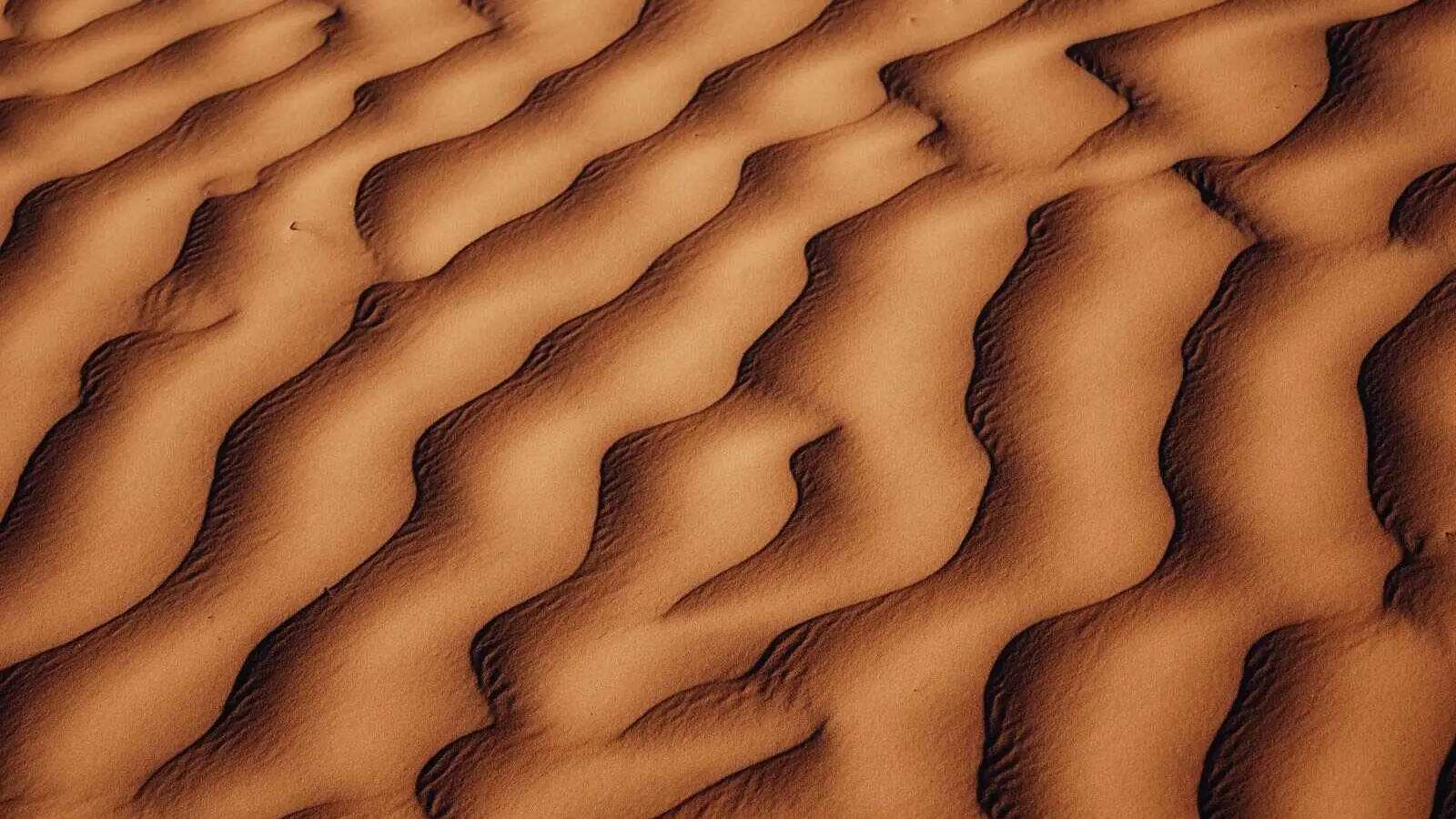
Wind-sculpted ripples on desert sand dunes in Tunisia

Filming in Tunisia: A Production Guide for Foreign Crews

Mohamed SahbiMohamed Sahbi
November 13, 202611 min read

Tunisia has played Tatooine, ancient Palestine and the Egyptian desert. It has hosted George Lucas, Franco Zeffirelli, Roman Polanski and Anthony Minghella. And it still surprises crews who arrive for the first time: Saharan dunes, salt lakes, troglodyte homes, walled medinas, Roman amphitheatres and Mediterranean coastline, all within a day's drive, in the same time zone as Paris for half the year.

What surprises them less pleasantly is the paperwork. Permits go through a ministry, drones need clearance from several authorities, and customs can hold a camera package that arrives without the right documents.

This guide covers what a foreign production needs to know before filming in Tunisia: where to shoot, which permits to plan for, how to bring equipment in, practical rules on visas and money, the best seasons, what to expect on incentives, and what a local production partner actually does.

Why productions come to Tunisia

A century of shooting history

Tunisia's film history runs deep. Producer Tarak Ben Ammar built the country's first film studio in Monastir, which went on to host productions such as Polanski's Pirates and Zeffirelli's Jesus of Nazareth, according to Wikipedia's overview of Tunisian cinema. The Carthage Film Festival, founded in 1966, is the oldest film festival on the African continent.

The best-known foreign shoot remains Star Wars. For the 1977 film, the Lars homestead was shot at the troglodyte Hotel Sidi Driss in Matmata and on the Chott el Djerid salt flat near Nefta, the escape pod landing in the dunes near Nefta, the Mos Eisley exteriors on Djerba, and the canyon scenes at Sidi Bouhlel. Crews returned in 1998 for the prequels, using Ong Jmal near Tozeur, Ksar Ouled Soltane and Ksar Hadada, as documented on Wikipedia's Tatooine page. The English Patient and Raiders of the Lost Ark also found their deserts here.

Practical advantages

  • Variety in a small territory. Desert, oases, mountains, medinas, Roman sites and beaches sit within a few hours of each other.
  • Proximity to Europe. Tunis is a short flight from most European capitals. Tunisia stays on UTC+1 all year with no daylight saving time, so there is no time difference with Paris in winter and one hour in summer, according to Vivre en Tunisie.
  • Languages. Arabic is the official language, French is widely used in business and administration, and English is common in the production world.
  • Experienced local crews who have worked on international films, broadcast news and commercials.

Where to shoot: the main location regions

  • Tunis and its coast. The medina of Tunis, the ruins of Carthage, the blue-and-white village of Sidi Bou Said and the coastal suburbs. Ideal for urban, historical and Mediterranean looks within an hour of the airport.
  • Heritage sites inland. The Roman amphitheatre of El Jem, the ruins of Dougga, the holy city of Kairouan and the medina of Sousse.
  • The south and the Sahara. Tozeur and Nefta, the Ong Jmal rock formations, the Chott el Djerid salt lake, the troglodyte homes of Matmata, and the fortified granaries (ksour) around Tataouine. This is where most "desert" and science fiction shoots happen.
  • Djerba and the coast. Island villages, beaches and whitewashed architecture, plus the resort coast of Hammamet, Sousse and Monastir.

Private locations, such as hotels, homes and businesses, are negotiated case by case. Heritage sites usually need an extra authorisation and more lead time.
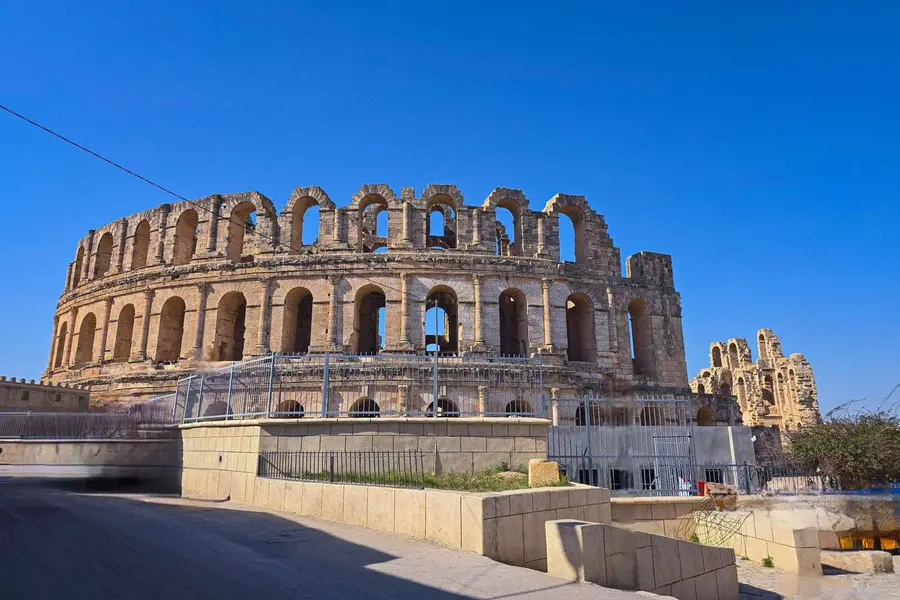
The Roman amphitheatre of El Jem, Tunisia, under a clear blue sky

Filming permits

The general filming permit

Shooting in Tunisia requires an authorisation from the Ministry of Cultural Affairs. According to the Tunisian government's administrative portal Idaraty, applications go through a single window (guichet unique) that handles Tunisian, foreign and co-produced films. The application must come from a legally established organisation, it must include a script or synopsis, and the authorisation is issued within 7 to 15 days.

In practice, this means a foreign production applies through a Tunisian production company, which files the request, follows it up and becomes your local point of contact with the authorities.

Drones

Drones need special attention. The UK government's travel advice for Tunisia states that bringing a drone into the country without authorisation is illegal, and that any drone detected will be confiscated and held until you leave. Local production services such as Hoodlum report that drone approval involves several authorities, including defence, interior and civil aviation, and recommend starting at least 30 days ahead. Build aerial shots into your schedule only once the authorisation is in hand.

Sensitive locations

Do not film government buildings or military sites. The UK government's safety advice also flags continuing instability on the border with Libya. Your local partner will know which areas need extra clearance or should be avoided.

News and documentary crews

Journalists and news crews follow a separate accreditation route. Hoodlum describes it as a process run through the Prime Minister's office and started via the Tunisian embassy in your home country. Check which route applies to your project before you book flights.

Bringing equipment into Tunisia

Tunisia accepts ATA carnets, the international customs document for the temporary import of professional equipment. The national guaranteeing association is the Chambre de Commerce et d'Industrie de Tunis, in operation since 1998, according to Wikipedia's ATA carnet article.

A carnet alone does not guarantee a smooth arrival. Local services report an additional customs release step for camera packages, so plan for:

  • A full equipment list with serial numbers, matching the carnet exactly.
  • Extra lead time for customs processing before the shoot.
  • Restricted devices. The UK government notes that electronic devices with recording or transmission features may be restricted or confiscated on arrival, citing smart glasses and walkie-talkies, even toy ones. Radios are standard on a film set, so ask your local partner to clear them in advance or rent them locally.

The simplest option is often to bring only specialist kit and rent the rest in Tunisia. A local production company can supply cameras, lighting, sound and grip, which avoids most customs questions.

Visas, money and practicalities

  • Visas. UK passport holders can stay in Tunisia for up to 90 days without a visa, according to the UK government. Rules differ by nationality, so check each crew member's passport, and make sure every passport is valid for the whole stay.
  • Currency. Tunisia has strict currency controls. You cannot take Tunisian dinars out of the country, foreign currency may need to be declared on arrival, and you should keep official exchange receipts. Budget your local cash needs carefully and let your local partner handle most payments.
  • Ramadan. Working hours and catering shift during the holy month, and its dates move every year. Check them before you lock your schedule.

Seasons: when to film

Tunisia's shooting calendar follows the heat. Production services describe October to April as the cooler, wetter season and May to September as hot and dry. Spring and autumn are the most comfortable for exteriors anywhere in the country. Summer works well for coastal and resort scenes, but long desert days in the south need early calls, shade, water and a heat plan for cast and crew.

Light is a major draw at any time of year. Sunrise and sunset over the Chott el Djerid or the dunes near Douz deliver the images most productions come for, so build your schedule around those windows.

Incentives: what to expect

Tunisia does not currently run a cash rebate for international productions comparable to those of some neighbouring countries. Local services such as Hoodlum and Fixer Tunisia report no official rebate scheme for foreign shoots, while mentioning possible VAT relief and tourism support in specific cases. Treat any incentive as a bonus to confirm with the authorities, not as a line in your financing plan.

The real economic case for Tunisia lies elsewhere: competitive local costs, short travel times from Europe, and a wide range of looks without moving the whole production between countries.

A planning timeline for a foreign shoot

Lead times in Tunisia are manageable, but they add up. Working backwards from the first shooting day, a realistic plan looks like this:

  • Eight weeks out. Choose your local production partner, share the script or synopsis, and lock the main locations on paper. If you need aerial shots, start the drone authorisation now: it is the longest process.
  • Six weeks out. Your partner files the filming permit with the Ministry of Cultural Affairs, plus any heritage site requests. Agree the budget, the crew list and the equipment split between what you bring and what you rent locally.
  • Four weeks out. Prepare the ATA carnet and the equipment list with serial numbers. Book flights, accommodation and ground transport. Check every passport and visa rule.
  • Two to three weeks out. Technical scout with your director and director of photography. Confirm locations, access, power and backup options. Adjust the schedule to sunrise, sunset and heat.
  • Final week. Permit in hand, customs paperwork ready, call sheets issued, radios cleared or rented locally, cash needs planned in dinars.

Tighter timelines are possible for small crews with light equipment and no drone. Larger productions, heritage sites or desert shoots in remote areas need more margin, not less.
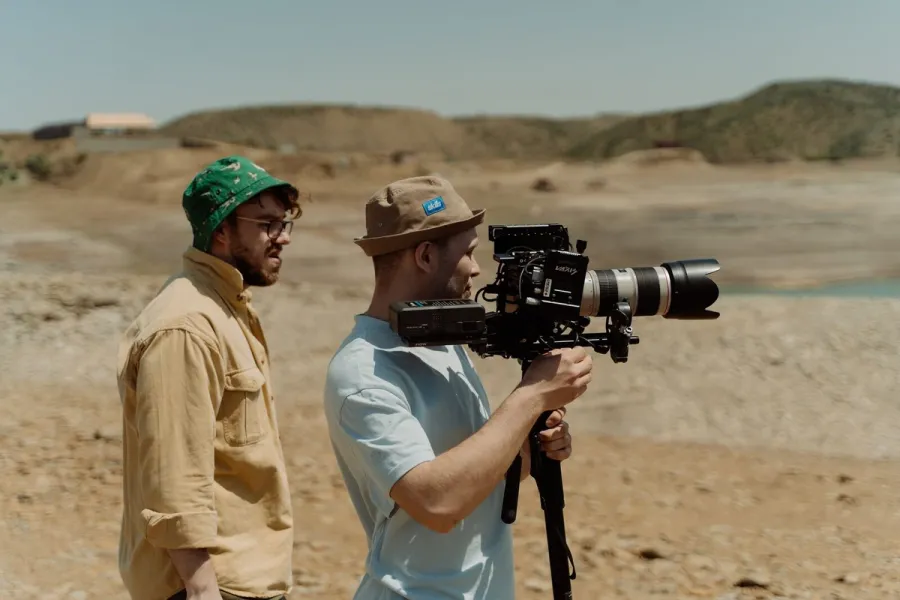
Two videographers filming outdoors in an arid landscape, camera mounted on a monopod

What a local production partner does

A Tunisian production company acts as your executive producer on the ground. Depending on the project, it will:

  • File and follow up permits, including drones and heritage sites.
  • Scout and secure locations, and negotiate with owners and local authorities.
  • Assemble the local crew: camera, sound, lighting, grip, production assistants, drivers, translators.
  • Supply equipment, or handle customs for the gear you bring.
  • Manage logistics: transport, accommodation, catering, security, insurance.
  • Handle budgets and payments in Tunisian dinars.
  • Provide post-production, studio space or live broadcast facilities if you need them on site.

Before you sign, ask for recent references with foreign productions, a detailed budget, the permit plan with dates, and the name of the person who will be on set with you every day.

Filming in Tunisia with iPixelP

iPixelP, International Pixel Production, has been producing in Tunis since 2013, with more than 350 clients to date. Our clients include broadcasters and international organisations such as Sky News, Channel 4, TRT, Al Watania and UNOPS, as shown on our agency page.

We provide production crews, 4K and 6K camera packages, TV studios, live broadcast, post-production and motion design, and we work across Tunisia and the wider region. Whether you need a full service production for a commercial, a crew for a documentary or a studio for a broadcast, see our production services or check local costs in our guide to communication agency costs in Tunisia.

FAQ: filming in Tunisia

Do I need a permit to film in Tunisia?

Yes. Filming requires an authorisation from the Ministry of Cultural Affairs, requested through a single window by a legally established organisation, with a script or synopsis. In practice, foreign productions apply through a local production company.

How long does a filming permit take in Tunisia?

The government portal Idaraty gives 7 to 15 days. Heritage sites, drones and sensitive locations can take longer, so start the process as early as possible.

Can I fly a drone in Tunisia?

Only with prior authorisation. Bringing a drone into Tunisia without it is illegal, and the drone will be confiscated until you leave. Allow at least 30 days for drone approval.

Does Tunisia accept ATA carnets?

Yes. Tunisia is part of the ATA carnet system, with the Chambre de Commerce et d'Industrie de Tunis as guarantor. Prepare a full equipment list with serial numbers and allow time for customs release.

Is there a film tax rebate in Tunisia?

Not for international productions at the moment, according to local production services. Some VAT relief and tourism support may apply case by case, to be confirmed with the authorities.

When is the best time to film in the Tunisian desert?

From October to April, when temperatures are lower. Summer desert shoots are possible but need early calls and a heat plan.

Key takeaways

Tunisia offers deserts, medinas, Roman ruins and coastline within a few hours of each other, close to Europe and in a European time zone. The essentials to plan are the Ministry of Cultural Affairs permit, filed through a local company, drone authorisations well ahead, an ATA carnet with a clean equipment list, and a schedule that respects the seasons. Incentives are limited, but local costs and logistics make the case on their own.

Planning a shoot in Tunisia? Tell us about your project and we will come back with a permit plan, crew and budget.

filming in tunisiafilm production tunisiatunisia film permittunisia filming locationsfilm crew tunisiaproduction services tunisiadrone permit tunisiaata carnet tunisia

Share this article

Mohamed Sahbi

Written by

Mohamed Sahbi

Expert SEO technique et développement React, Full Stack Engineer

Expert React/Next.js avec 9 ans d'expérience en développement web et mobile. Spécialisé en optimisation SEO technique, architecture moderne et performance web.

Back to blog